
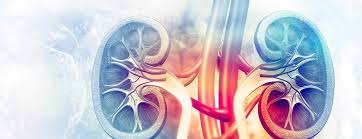
Kidney stones (renal calculi) are hard deposits of minerals and acid salts that stick together in concentrated urine. They can cause excruciating pain, and if left untreated, lead to severe kidney infections or permanent renal damage.
Common Symptoms of Kidney Stones
A stone in the kidney may not cause symptoms until it moves into the ureter (the tube connecting kidney and bladder). When it moves, symptoms include:
- Severe, Sharp Pain: Located in the side and back, below the ribs (flank pain), which often radiates to the lower abdomen and groin.
- Painful Urination: Burning sensation while passing urine.
- Hematuria: Pink, red, or brown blood in the urine.
- Nausea & Vomiting: Caused by shared nerve pathways between the kidneys and gastrointestinal tract.
- Fever and Chills: Indicates a dangerous urinary tract infection.
Why Do Kidney Stones Form?
Inadequate water intake is the primary cause. When you drink too little water, urine becomes concentrated, allowing minerals to crystallize. Other risk factors include high salt intake, diets rich in oxalates, obesity, and family history.
Modern Laser Treatment: RIRS & URSL
Gone are the days when large cuts were needed to remove stones. Modern endourology allows completely incision-free treatments:
- RIRS (Retrograde Intrarenal Surgery): A highly flexible, thin scope is passed through the natural urinary tract up into the kidney. A Holmium laser fiber is then used to pulverize the stone into dust, which washes out with urine.
- URSL (Ureteroscopic Lithotripsy): Ideal for stones stuck in the ureter. The stone is fragmented using a laser and removed using tiny baskets.
These laser procedures are performed under anesthesia, require no surgical incisions, have minimal pain, and allow patients to return home within 24 hours.